Everything you need to know before you start.
Welcome to the Beginner’s Guide to Powerlifting, your starting point for building serious strength. Stepping up to the barbell for the first time can feel intimidating, but we are here to break down the essentials so you can train with confidence. This guide will walk you through the exact equipment you need in your gym bag and explain how to choose the right programming for consistent progress. We will also dive into the importance of finding solid coaching and give you a complete rundown of what to expect at your very first meet. Grab your chalk, and let’s get to work!
Introduction

Program
Stop looking for “special” accessory work or complex percentage blocks. As a beginner, your only goal is Linear Progression: adding weight to the bar every single week while mastering the Big Three.
- The Main Lifts: 80% of your training volume must be dedicated to the Squat, Bench Press, and Deadlift.
- Frequency: Hit each lift at least twice a week to build the neurological “groove” required for heavy loads.
- Data over Feelings: If you aren’t logging your sets, reps, and RPE (Rate of Perceived Exertion), you aren’t training—you’re just guessing.
- The Goal: Build a massive base of general strength before you even think about “peaking.”
Equipment
Equipment in powerlifting isn’t a crutch; it is a tool used to increase force production and joint safety. You don’t need a bag full of gadgets, but you do need the essentials of the sport.
- Footwear: Ditch the running shoes. You need a hard, flat sole (like Chuck Taylors) or a dedicated weightlifting shoe with a raised heel for squats. If your base is squishy, your force is wasted.
- The Belt: A 10mm or 13mm lever belt gives your core something to brace against, instantly increasing your stability and power.
- Joint Support: Neoprene knee sleeves keep the joints warm and provide a “rebound” effect, while wrist wraps ensure your grip remains stable under a heavy bar.
- Chalk: If you can’t hold the bar, you can’t pull the weight. Use it.
Coaching
Powerlifting is a game of leverage and technical efficiency. A bar path that drifts one inch forward is the difference between a PR and a missed lift (or an injury).
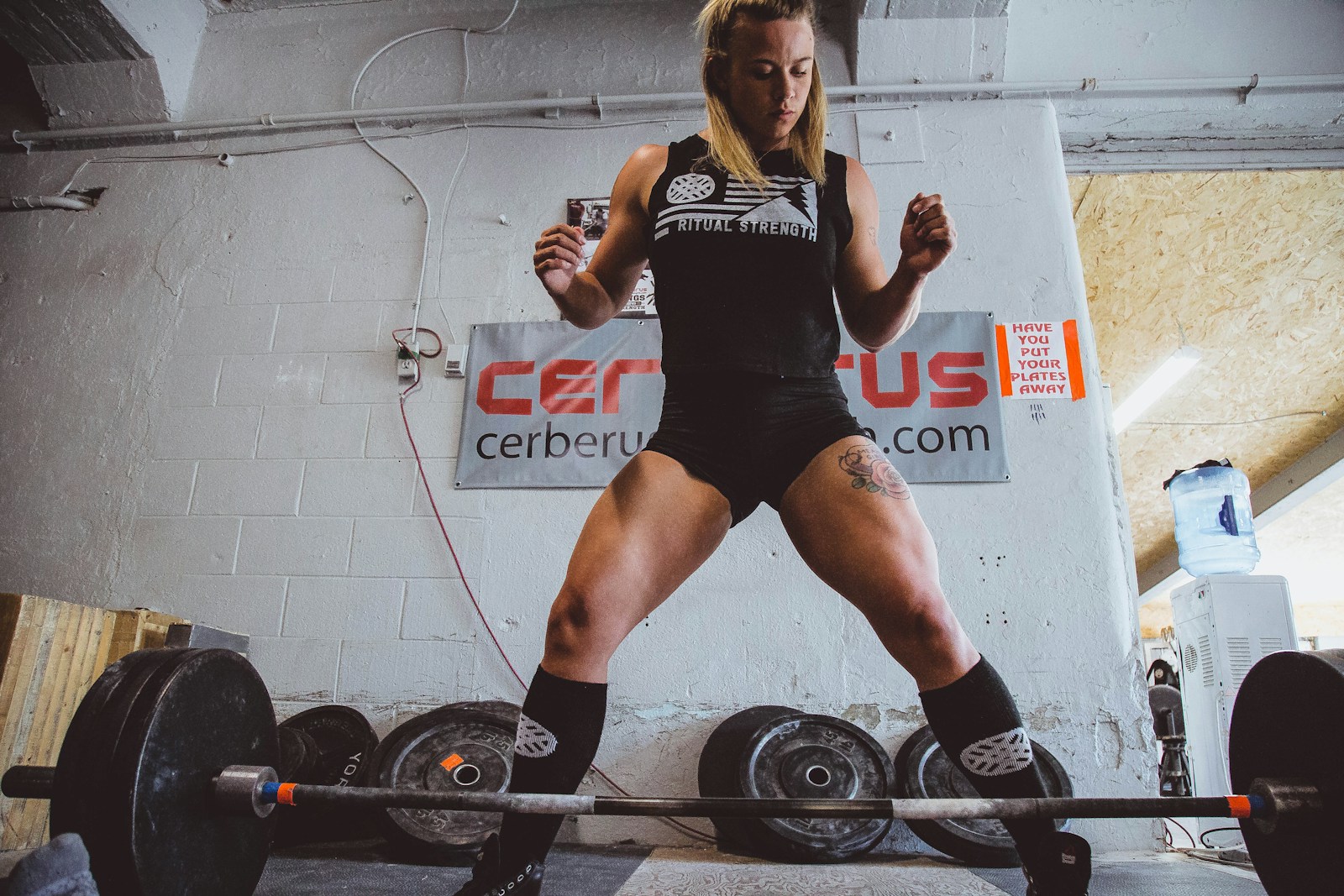
- Technical Mastery: A coach sees what you can’t see in a mirror. They identify energy leaks in your setup and provide cues that translate to immediate strength.
- Objective Programming: You will always be tempted to do too much or too little. A coach provides the cold, hard data on when to push and when to deload.
- Accountability: It is easy to skip the last set of accessories when the gym is hot and you’re tired. It’s a lot harder when you have to report those numbers to a professional.
The world’s biggest stage
Meets
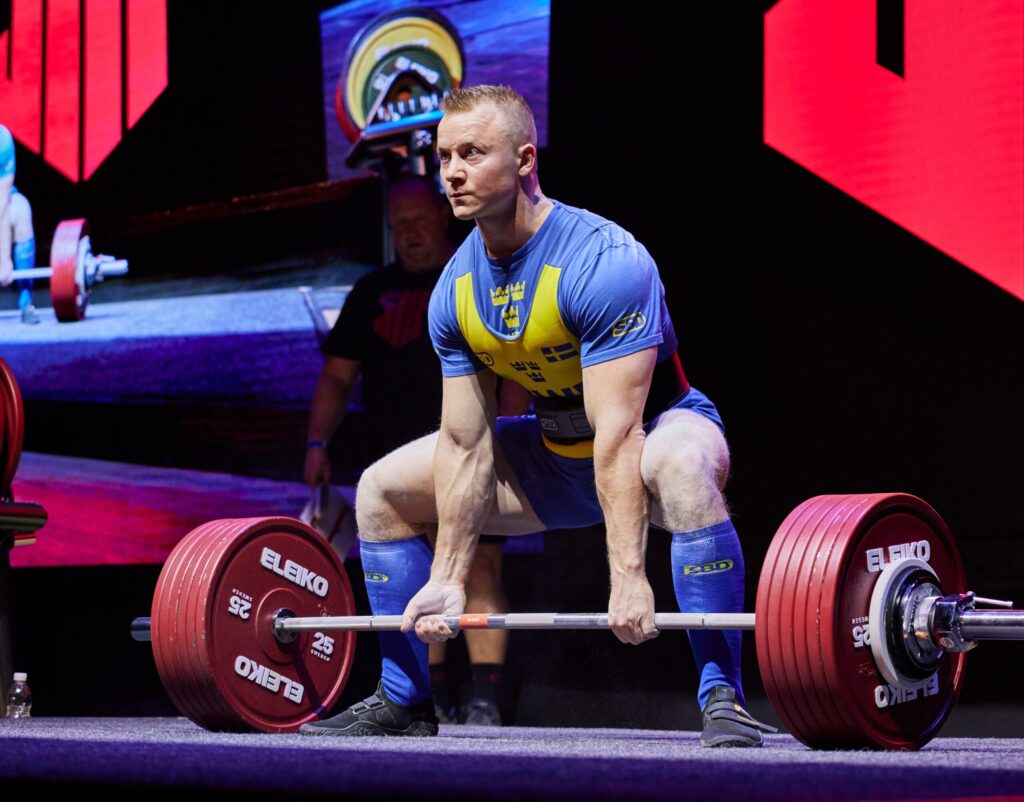
Stop waiting until you are “strong enough” to compete. The best time to do your first meet was six months ago. The platform is where you prove your training actually works.
- The Goal: Your first meet is about going 9-for-9. It isn’t about world records; it’s about learning the commands (Start, Squat, Press, Rack) and getting a total on the board.
- Federation Rules: Every federation is different. Read the rulebook. Know what equipment is “legal” and what depth is required for a white light.
- Weight Classes: Do not cut weight for a local novice meet. Eat, hydrate, and focus on lifting heavy. The trophy for winning the “82.5kg Novice” class isn’t worth a week of starvation.