Sumo vs. Conventional Deadlift: How to Choose Your Ultimate Stance
The internet loves to argue about it, but let’s get one thing straight right out of the gate: sumo deadlifting is not cheating. In powerlifting, the goal is to move the maximum amount of weight from the floor to a locked-out position within the rulebook. Choosing between a sumo and conventional stance isn’t about taking the “easy” way out; it’s about optimizing your specific biomechanics, limb lengths, and mobility to build the biggest total possible.
Here is a breakdown of the mechanics behind both stances to help you figure out which one will add the most kilos to your barbell.
The Conventional Deadlift: The Posterior Chain Powerhouse
The conventional deadlift is the classic variation most people learn first. You stand with your feet roughly hip-width apart, grip the bar just outside your legs, and pull.
Because your legs are closer together, your hips start higher, and your torso is hinged further forward. This puts the brunt of the load squarely on your posterior chain.
- Primary Muscles Worked: Erector spinae (lower back), hamstrings, and glutes.
- Who it Fits Best: Lifters with relatively long arms and a shorter torso. Long arms mean you don’t have to bend down as far to reach the bar, which keeps your back at a safer, more advantageous angle.
- The Sticking Point: Conventional pullers usually struggle right around the knees or slightly below. If you can get the bar past your knees, you can usually lock it out.
The Sumo Deadlift: The Upright Quad-Builder
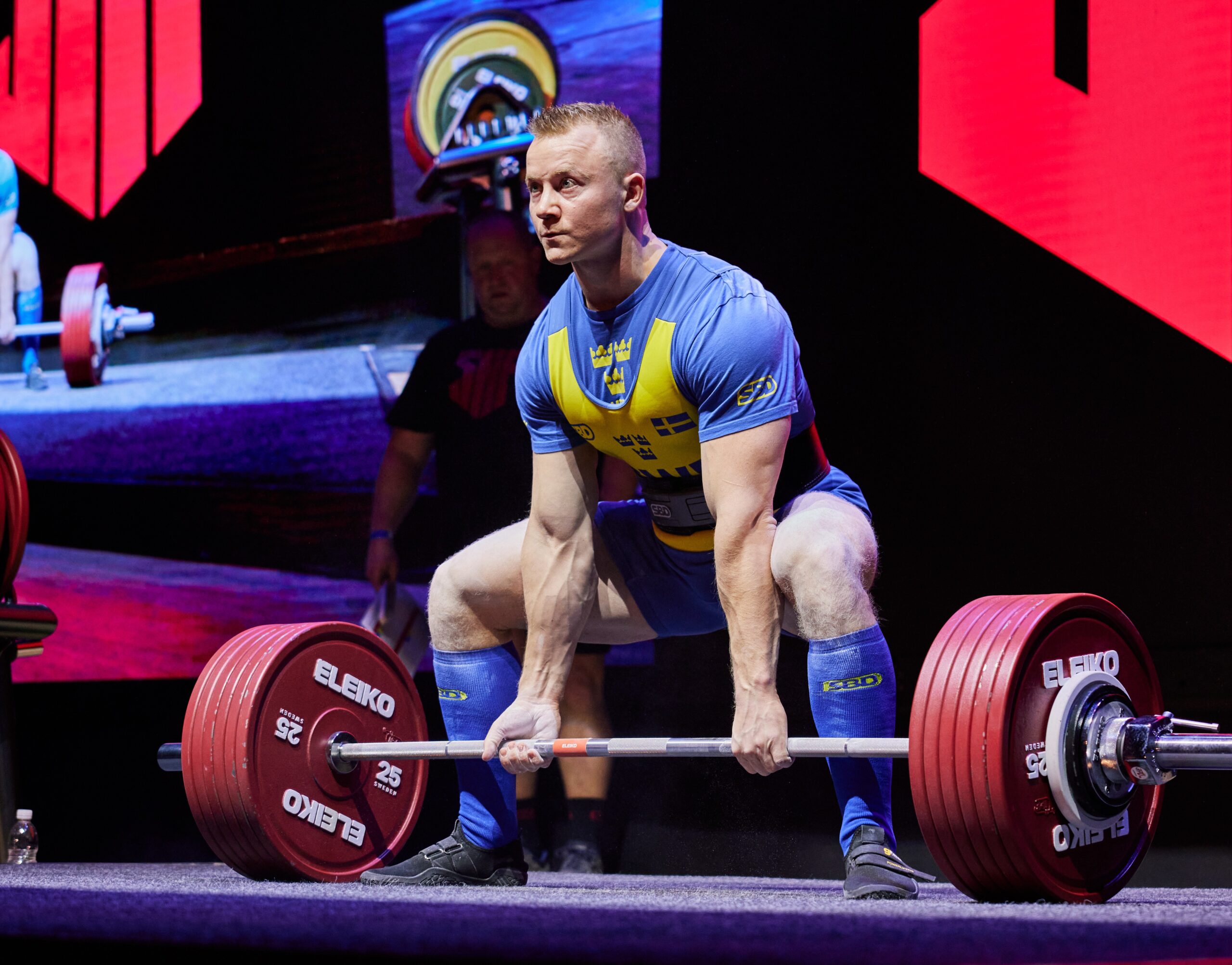
The sumo deadlift involves a wide stance with your toes pointed outward and your hands gripping the bar inside your legs.
This wide stance brings your hips closer to the barbell, which allows your torso to stay much more upright. Because of this vertical back angle, the sumo deadlift demands significantly more from your legs and less from your lower back.
- Primary Muscles Worked: Quadriceps, glutes, and adductors (inner thighs).
- Who it Fits Best: Lifters with a longer torso and shorter arms. Shorter arms make a conventional deadlift brutal on the lower back, so widening the stance helps bring the floor closer to the hands. You also need excellent hip mobility to open up your groins and keep your knees tracking over your toes.
- The Sticking Point: Sumo pullers usually struggle right off the floor. Breaking inertia is the hardest part, but once a sumo deadlift gets moving, the lockout is often smooth sailing.
How to Find Your Stance
You can measure your arms and torso all day, but the only real way to know which stance is right for you is to test them under the barbell.
If you’ve been pulling conventional for years and your lower back is always the limiting factor, spend a 6-to-8 week training block focusing exclusively on sumo. Conversely, if you pull sumo but have chronic hip pain or struggle to break the bar off the floor, give conventional a try. Film your sets, track your bar speed, and see which variation naturally feels stronger and more pain-free as the percentages get heavier.
At the end of the day, the best deadlift stance is the one that allows you to train consistently, stay healthy, and smash PRs.
Use our stance finder to quickly find your optimal stance