Blog

  • Sumo vs conventional deadlift

    Sumo vs conventional deadlift

    Sumo vs. Conventional Deadlift: How to Choose Your Ultimate Stance

    The internet loves to argue about it, but let’s get one thing straight right out of the gate: sumo deadlifting is not cheating. In powerlifting, the goal is to move the maximum amount of weight from the floor to a locked-out position within the rulebook. Choosing between a sumo and conventional stance isn’t about taking the “easy” way out; it’s about optimizing your specific biomechanics, limb lengths, and mobility to build the biggest total possible.

    Here is a breakdown of the mechanics behind both stances to help you figure out which one will add the most kilos to your barbell.


    The Conventional Deadlift: The Posterior Chain Powerhouse

    The conventional deadlift is the classic variation most people learn first. You stand with your feet roughly hip-width apart, grip the bar just outside your legs, and pull.

    Because your legs are closer together, your hips start higher, and your torso is hinged further forward. This puts the brunt of the load squarely on your posterior chain.

    • Primary Muscles Worked: Erector spinae (lower back), hamstrings, and glutes.
    • Who it Fits Best: Lifters with relatively long arms and a shorter torso. Long arms mean you don’t have to bend down as far to reach the bar, which keeps your back at a safer, more advantageous angle.
    • The Sticking Point: Conventional pullers usually struggle right around the knees or slightly below. If you can get the bar past your knees, you can usually lock it out.

    The Sumo Deadlift: The Upright Quad-Builder

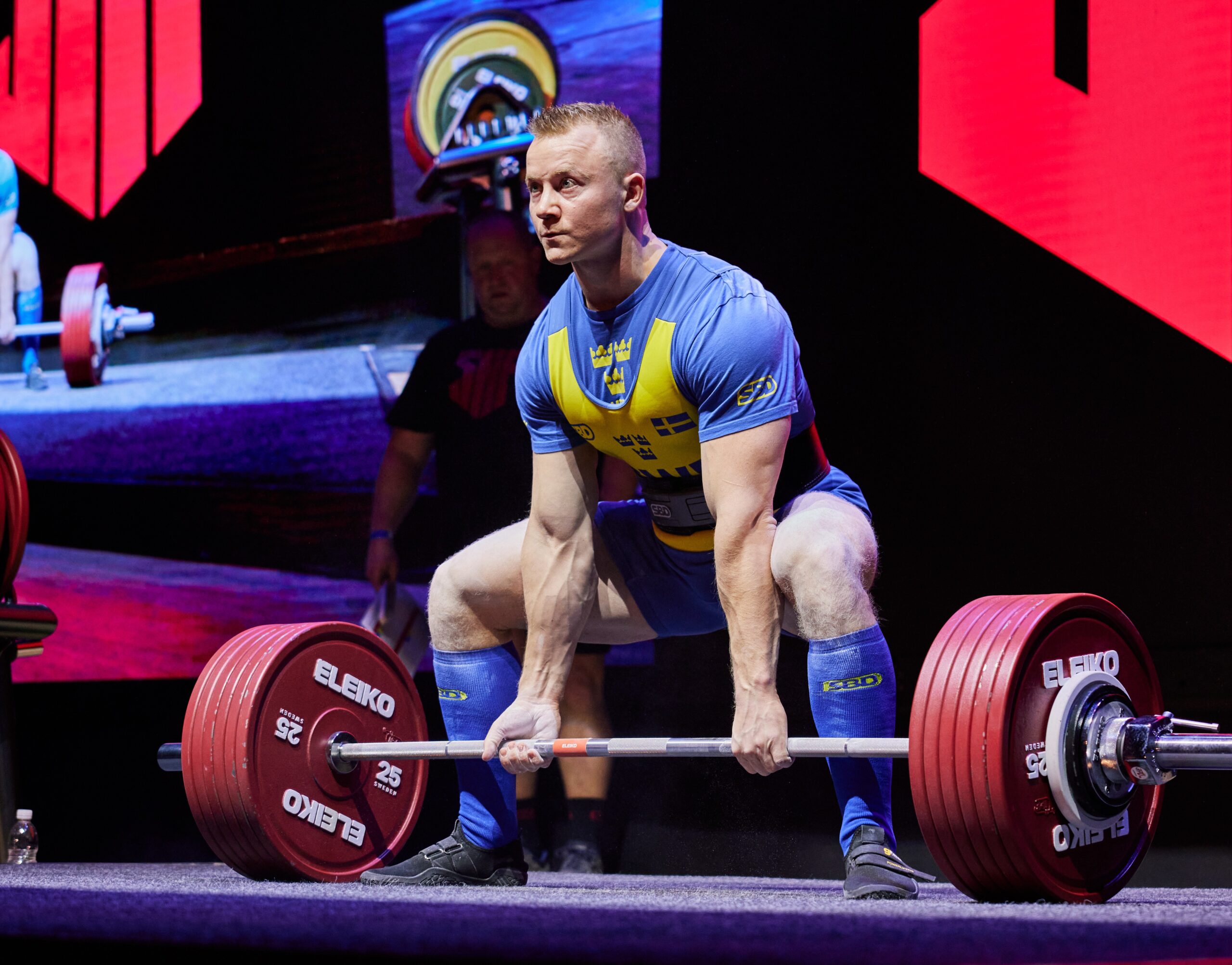
    The sumo deadlift involves a wide stance with your toes pointed outward and your hands gripping the bar inside your legs.

    This wide stance brings your hips closer to the barbell, which allows your torso to stay much more upright. Because of this vertical back angle, the sumo deadlift demands significantly more from your legs and less from your lower back.

    • Primary Muscles Worked: Quadriceps, glutes, and adductors (inner thighs).
    • Who it Fits Best: Lifters with a longer torso and shorter arms. Shorter arms make a conventional deadlift brutal on the lower back, so widening the stance helps bring the floor closer to the hands. You also need excellent hip mobility to open up your groins and keep your knees tracking over your toes.
    • The Sticking Point: Sumo pullers usually struggle right off the floor. Breaking inertia is the hardest part, but once a sumo deadlift gets moving, the lockout is often smooth sailing.

    How to Find Your Stance

    You can measure your arms and torso all day, but the only real way to know which stance is right for you is to test them under the barbell.

    If you’ve been pulling conventional for years and your lower back is always the limiting factor, spend a 6-to-8 week training block focusing exclusively on sumo. Conversely, if you pull sumo but have chronic hip pain or struggle to break the bar off the floor, give conventional a try. Film your sets, track your bar speed, and see which variation naturally feels stronger and more pain-free as the percentages get heavier.

    At the end of the day, the best deadlift stance is the one that allows you to train consistently, stay healthy, and smash PRs.

    Use our stance finder to quickly find your optimal stance

  • Fueling for a Heavy Training Session

    Fueling for a Heavy Training Session

    Fueling for a Heavy Training Session: Maximize Energy Without the Sluggishness

    Anyone who has ever locked in a tight lever belt for heavy squats right after a massive meal knows the true meaning of regret. But on the flip side, trying to pull a heavy deadlift PR on an empty stomach is a one-way ticket to seeing stars.

    Finding that sweet spot—being fully fueled, highly energized, and completely free of bloating—is one of the most important things you can do to improve your time under the barbell. Here is exactly how to structure your pre-workout nutrition so you can crush your heavy sets without feeling sluggish.


    The Golden Rule: Carbs Are King

    There is a common misconception in the fitness world that you need to pound a massive protein shake right before you lift. While protein is crucial for recovery after you train, it is not your primary fuel source while you train.

    Powerlifting is a highly anaerobic sport. When you are grinding through heavy triples or max-effort singles, your body relies almost entirely on glycogen (stored carbohydrates) for fast, explosive energy. If you go into a heavy session depleted of carbs, your central nervous system will fatigue faster, and the barbell will simply feel heavier.

    What to Avoid Pre-Workout

    To prevent that sluggish, heavy feeling in your stomach, you need to limit two things in your pre-workout window: Fat and Fiber.

    Both fat and fiber significantly slow down digestion. If you eat a high-fat meal (like a greasy burger or a heavy peanut butter sandwich) or a high-fiber meal (like a massive bowl of broccoli or beans) right before the gym, that food will literally sit in your stomach while you train. When you brace hard against your belt, your body will be fighting to digest that food instead of sending blood and oxygen to your working muscles.


    The Takeaway

    You don’t need a perfectly calculated, hyper-strict diet to get strong, but you do need to respect how your body digests food. Eat your bigger, balanced meals a few hours before you unrack the bar, and rely on fast-digesting, simple carbohydrates as you get closer to your first working set. Your stomach—and your squat total—will thank you.


    The Pre-Workout Timing Strategy

    The closer you get to your training session, the simpler your food should be. Here is a breakdown of how to time your meals for optimal performance:

    TimingFocusExample Meals
    2–3 Hours BeforeA balanced, normal-sized meal. Focus on complex carbs and a moderate amount of lean protein.Chicken breast with white rice; Oatmeal with a scoop of whey protein; Turkey wrap.
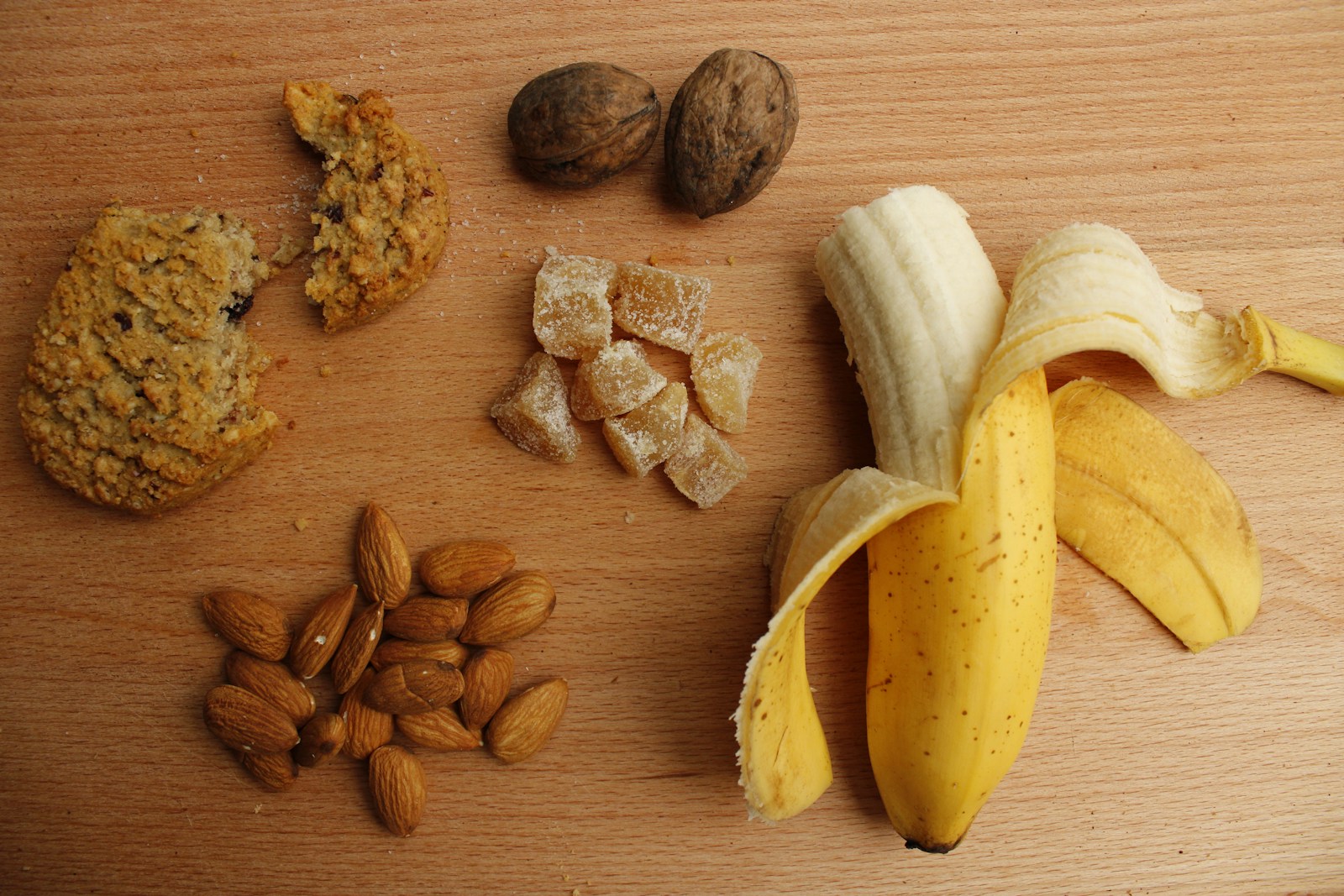
    60 Minutes BeforeA small, easily digestible snack. Focus entirely on simple carbs. Minimal protein, zero fat.A banana; A handful of pretzels; A couple of rice cakes with a light smear of jam.
    15 Minutes Before (Optional)Pure, fast-acting liquid or dissolving carbs for an immediate blood sugar spike before heavy top sets.A sports drink (like Gatorade); A handful of gummy bears; Intra-workout carb powder.

  • Sheffield 2026

    Sheffield 2026

    Records Shattered and Legends Made: A Look Back at SBD Sheffield 2026

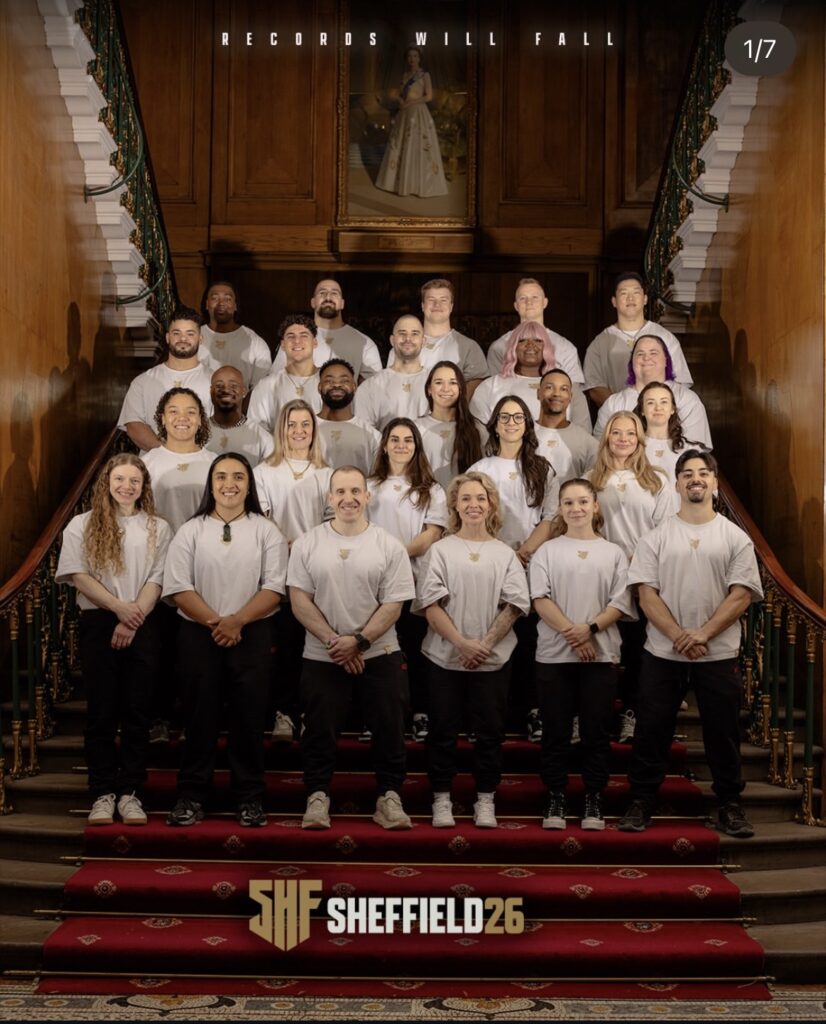
    If you thought powerlifting had already reached its peak, January 31, 2026, proved us all wrong. The SBD Sheffield Powerlifting Championships returned earlier this year to the historic Sheffield City Hall, bringing 24 of the absolute best classic powerlifters on the planet under one roof.

    With a staggering £445,000 prize pool on the line and placings determined by who could shatter the IPF world record total by the greatest margin, the stakes were sky-high. Athletes weren’t just lifting against each other; they were lifting against history.

    Here is a look back at the biggest moments, the fiercest battles, and the champions who took home the glory at Sheffield 2026.


    The Champions of Champions

    It was a day defined by absolute dominance from the top of the podium. Austin Perkins (USA) and Tiffany Chapon (France) delivered show-stopping performances, securing the title of Champion of Champions for the Men’s and Women’s divisions, respectively.

    Both athletes showcased flawless execution under immense pressure, pushing the boundaries of their weight classes. For their efforts—which included breaking multiple world records and maxing out their total percentages—Perkins and Chapon each walked away with a massive £40,000 payout.

    High Stakes and Heartbreak on the Platform

    Because Sheffield’s scoring system rewards breaking world records by the highest margin, it forces lifters to make incredibly strategic—and sometimes risky—attempt selections.

    • The 83kg Deadlift War: The atmosphere was electric during the deadlift battle between Great Britain’s Jurins Kengamu and the USA’s Joe Borenstein. With massive pulls on the line and strategic attempt changes playing out in real-time, it was a masterclass in meet day coaching and raw grit.
    • Brittany Schlater’s Gamble: Canada’s Brittany Schlater showed exactly what it means to leave it all on the platform. On her final deadlift, she loaded a massive 295.5kg to secure the overall silver, a world record total, and a world record deadlift (which would have netted her an extra £18,500). While the brutal miss was heartbreaking and cost her a podium finish, it perfectly encapsulated the “go big or go home” spirit of Sheffield.

    Standout Performances

    Beyond the overall champions, the roster was packed with unforgettable moments:

    • Alba Boström (Sweden) secured an incredible 2nd place overall finish in the women’s division, breaking world records and taking home £17,500.
    • Emil Norling (Sweden) was an absolute technician, going a perfect 9 for 9 on the day and cementing his status as one of the most consistent lifters in the IPF.
    • Russel Orhii (USA), competing as a wildcard in his new 93kg class, proved that his move up in weight was the right call. Despite facing fierce competition from legends like Emil Krastev and Gustav Hedlund, Russ put on a spectacular show, breaking records and earning a massive payday that rivaled the top podium finishers.
    • Heavyweight Bench Presses: The women’s bench press was a highlight reel of its own, featuring monumental lifts from athletes like Karlina Tongotea, Sonita Muluh, and Brittany Schlater pushing well beyond the 130kg–160kg range.

    The End of an Era—and the Future of Sheffield

    Sheffield 2026 was a bittersweet milestone, as it marked the final time the event will be held at the intimate and historic Sheffield City Hall.

    But the future of the sport has never looked brighter. During the event, IPF President Sigurjón Pétursson announced that the IPF and SBD have officially extended their partnership through 2031. Because the sport has grown so massive, Sheffield V is moving to a much larger venue—the Utilita Arena—and will take place later this year on November 21, 2026.

    The bar has been raised, the records have been rewritten, and the countdown to November has already begun.


    Athletes

    The Sheffield roster featured 24 of the world’s absolute strongest powerlifters, all dedicating their lives to the iron to push the boundaries of human strength and rewrite the record books. To reach this elite stage, most athletes are “Qualified,” earning their spots automatically by dominating at the previous year’s IPF World Championships and hitting a massive percentage of the current world record total. The remaining spots are filled by “Wild Cards”—athletes handpicked by SBD based on their historical merit and record-breaking potential to ensure the absolute best lifters are on the platform, regardless of how they performed at Worlds.

Sign up now

Stop settling for average totals. Get the weekly technical breakdowns, programming logic, and gear standards used by elite lifters. No fluff. Just the science of strength.